Which Minor Procedures Are Done In The Rooms?
Procedures commonly performed at the practice include:
- Removal of skin lesions such as moles
- Biopsies of suspicious spots for laboratory testing
- Stitching of cuts and wounds
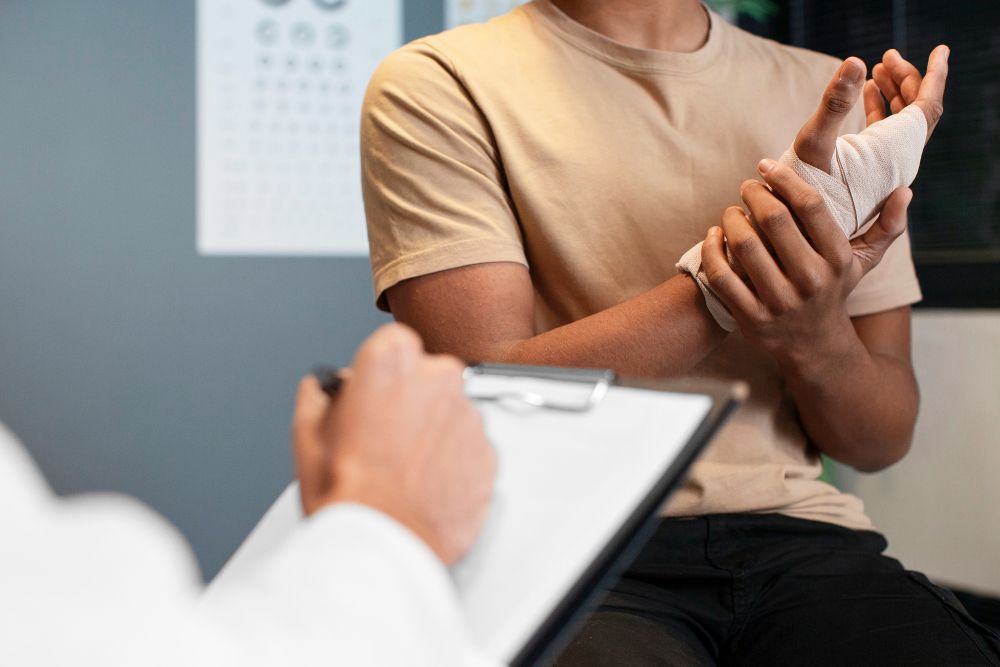
- Removal of stitches, including those placed during surgery by another doctor
- Treatment of ingrown toenails, including partial nail removal
Before any procedure, Dr Martelize will examine the area and explain whether it can be done safely in the rooms. The lesions suited for removal in the rooms are generally small and close to the surface. Larger or deeper lesions, or those in delicate areas, may be referred to a specialist. Cysts are not removed in the rooms and are referred to a surgeon.
What Is A Plasma Pen, And What Can It Treat?
A plasma pen is a small handheld device that creates a tiny electrical arc just above the skin. This arc removes very superficial tissue without cutting. In a medical setting, it suits small lesions that sit in the top layers of the skin. Warts, skin tags, actinic keratoses (rough, scaly patches caused by sun damage) and seborrhoeic keratoses (harmless raised brown spots) are common examples.
Any lesion that looks suspicious is biopsied first rather than treated with plasma, so that it can be tested properly.
What Happens On The Day?
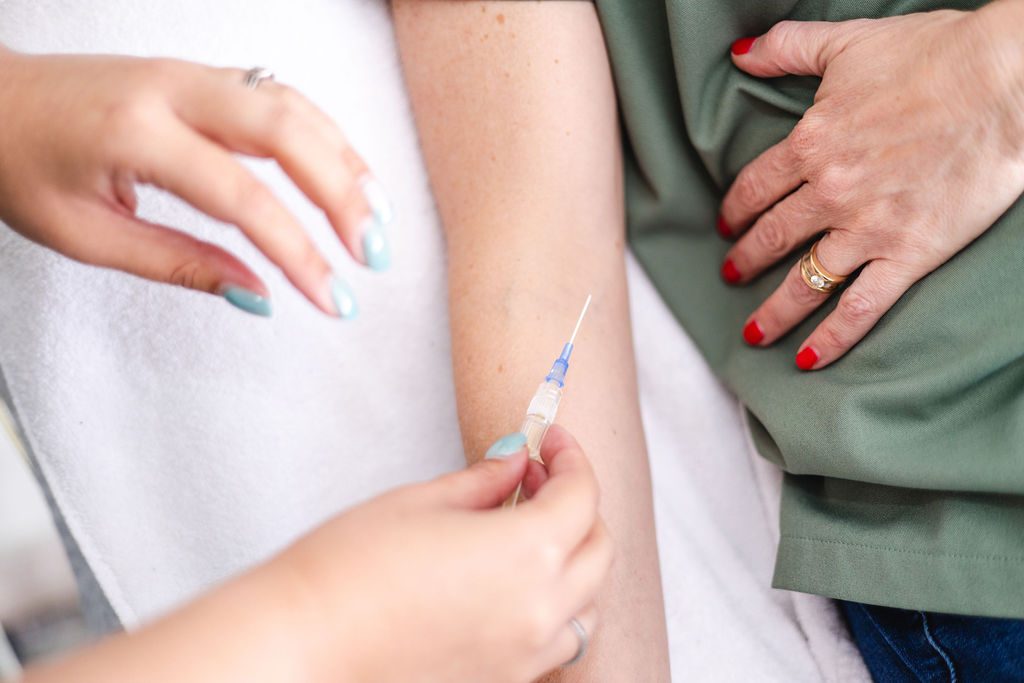
Most procedures take well under an hour, which is part of why many people would rather have them done by a GP than wait for a theatre slot at a hospital. The area is cleaned and numbed with a local anaesthetic injection, which stings briefly before the skin goes numb. You will feel pressure but should not feel pain while the procedure is done. For plasma pen treatment, a numbing cream may be used instead.
Afterwards, a dressing is applied, and you will be given aftercare instructions to follow at home. Most people return to normal activities the same day, although you may be asked to avoid swimming or strenuous exercise for a few days.
How Should You Prepare?
A small wound or scab is normal and usually heals within one to two weeks. Plasma pen treatment leaves tiny crusts that fall off on their own and should not be picked. Any procedure that breaks the skin leaves some mark, although this usually fades over the following months. Stitches on the face are generally removed after about five days, and elsewhere after ten to fourteen days.
If you notice increasing redness or pus around the wound, contact us. Our general practitioner can check it at a short visit. If a sample was sent for testing, you will be contacted with the results. If the result shows sun damage, a yearly skin check is worth adding to your routine. And if you are unsure whether a lesion needs removing at all, a standard consultation with your GP in Bloemfontein is a sensible first step.