
What Is Acute Care?
Acute care is medical attention for illnesses and injuries that develop quickly and usually do not last long. Most are not emergencies, but they do need a proper assessment. For most of them, your GP is a better first stop than a hospital casualty unit.
Common reasons for an acute visit include:
- Throat, ear, sinus and chest infections
- Urinary tract infections
- Stomach bugs with vomiting or diarrhoea
- Rashes and insect bites, including mild allergic reactions
- Sprains and small cuts that may need stitches
When Should You See A Doctor Rather Than Wait?
Many colds settle on their own within a week to ten days. It is worth booking a visit when symptoms are getting worse instead of better, or when a fever lasts longer than two to three days. Young children and older adults should be seen sooner, as should anyone living with a long-term condition, because infections can affect them more.
Some symptoms need an emergency unit rather than a general practitioner. Chest pain, sudden difficulty breathing, signs of a stroke or heavy bleeding should be taken straight to your nearest hospital emergency department. If you are not sure whether to go to casualty or to come in, you are welcome to phone the rooms and ask Dr Martelize.
What Happens During An Acute Care Consultation?
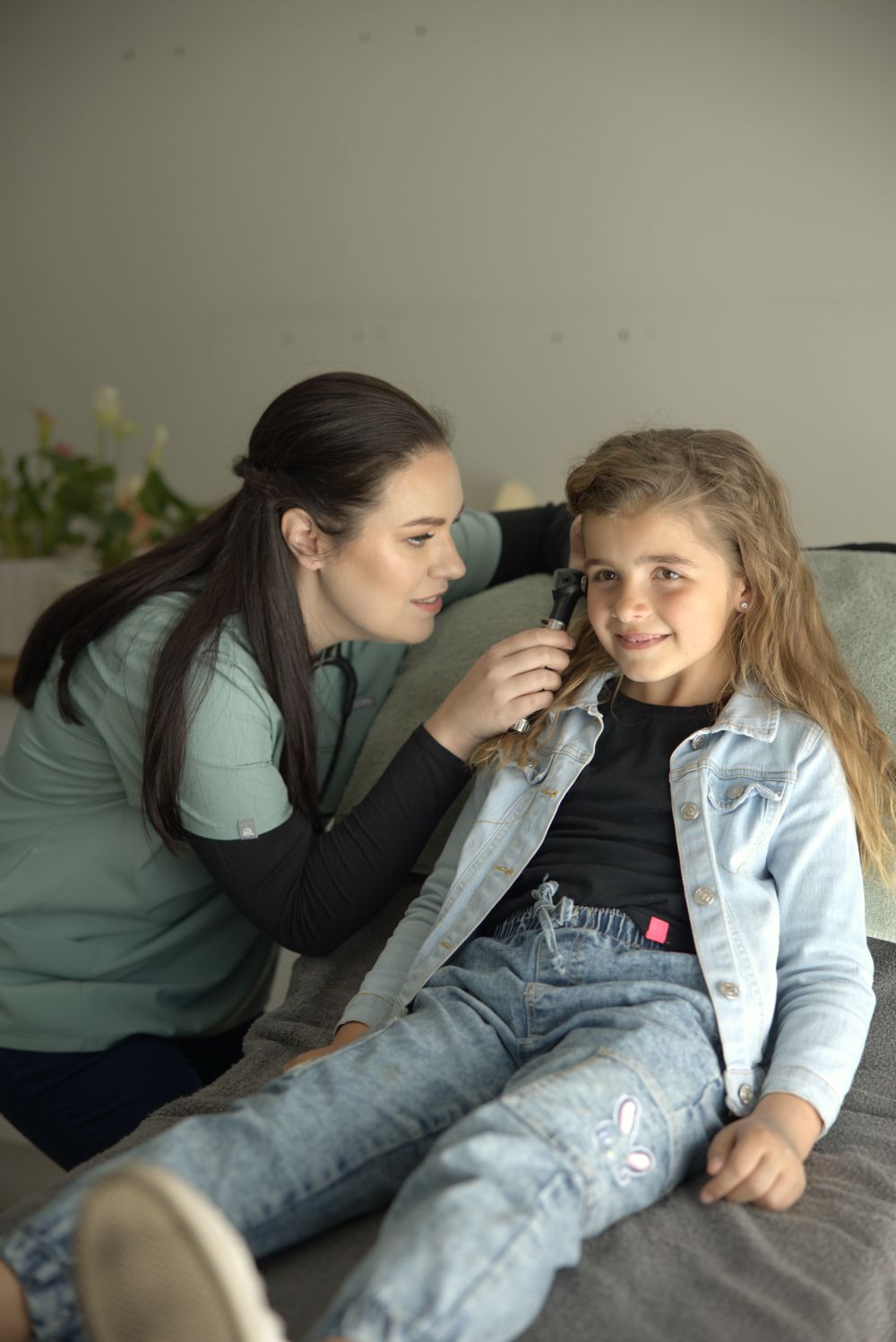
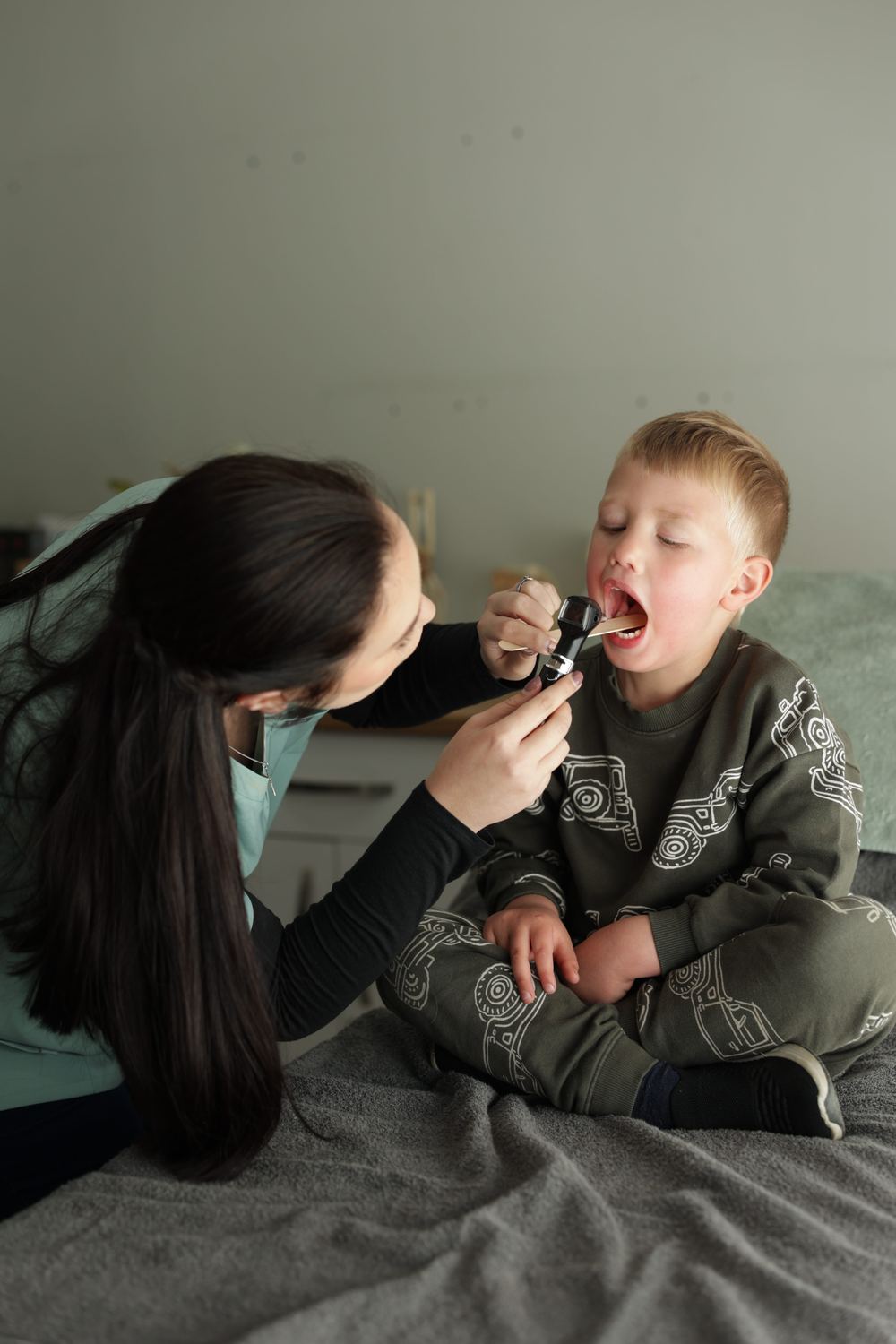
Your visit starts with questions about when the symptoms began and how they have changed. Dr Martelize will then examine you, focusing on the area of concern while also checking basics such as your temperature and blood pressure. Simple tests may be done in the practice. Blood tests or X-rays can be arranged if more information is needed.
Before you leave, you will know the likely cause and how it will be treated. You will also know which warning signs mean you should come back. Antibiotics are prescribed only when they are needed, since many infections are viral and clear up without them.
How Can You Prepare For Your Visit?
A little preparation makes the consultation more useful. Note when your symptoms started and whether you have taken anything for them. Bring your ID and medical aid card, along with a list of any chronic treatment you use. If you need a sick note for work or school, mention this at the start of the appointment. If you have a fever or a cough, let the practice know when you book, so that arrangements can be made to protect other patients in the waiting room.
What Can You Expect Afterwards?
Most acute illnesses improve within a few days of starting treatment. If you are not improving as expected, book a follow-up so that Dr Martelize can reassess. Returning to the same GP means earlier findings are already on file.
Infections that keep returning can point to something underneath, such as diabetes that has not yet been diagnosed. A simple blood sugar test is often the next step, and if a long-term condition is found, it can be monitored at regular reviews from then on.
Bookings are made by phone or WhatsApp rather than online. If you are unwell and need a general practitioner in Bloemfontein, call 051 446 2723 or send a WhatsApp to 079 960 0424.